Strategizing from 7 cities across the globe

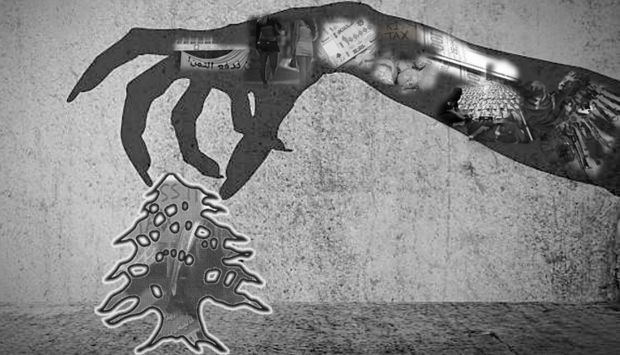
A Not So Invisible Hand
The First Assessment of the Lebanese Black Market
The team
Behind it all
Lead-Researcher: Elie Joe J. Akiki, Leen S. Jannoun
Senior Researchers: Andrew N. Harrouk, Sana F. El Jam, Sophia M. Kalayjian, Rosalie A. Lakkis, Samer W. Sayyour, Mohammad A. El Atrouni
Junior Researchers: Moussa A. Al Wazir, Dana S. Al Hachem, Nihal N. Israoui, Ali I. Dagher, Leya S. Jannoun, Dana N. Seifeddine, Christelle I. Zeidan, Joe Chalfoun
Research Assistants: Lea E. Rahme, Selina G. Riachi, Sireen A. Hajaig.
Download the appendix
Beirut, April 8, 2024
Dear reader,
Before you dig deeper into our findings, I would like to share with you the main purpose of our research, and the core essence that pushed us beyond the limitations of economic theories.
Starting our journey in either the political or economic field, we found ourselves in a dead end trying to analyze the Lebanese market dynamics. Each professor used to repeat the exact same sentence, sometimes even with the same melody: ‘This theory is applicable in other countries, but not in Lebanon.” Tell me now, what is the purpose of my degree if no theory turns out to be applicable in my country? Will I end up trying to fix other nations’ economies and leave mine broken?
Our day-to-day conversations amongst each other and daily nagging about the instability of the market were brought altogether, as we started to decipher the mechanisms of the state’s hollow out. The mere fact that people were not even trying to hide their activities or the chaos within the system was able to give us clear models to adapt the theories that we learn in university to our country. In the end, it was more interesting than studying other countries.
With the traumatic experience of the August 4 explosion, most of us have had no ambition to continue forward. This research project brought us hope, and at least we found a way to contribute to the rebuilding of the state. Just like the introduction of Macroeconomics explained the Great Depression in 1929, Black Market economics might explain the current Lebanese economic crisis, as no precedents had such characteristics.
Imagine that there is a whole shadow economy that we are not taking into account, and despite people believing they are not related, is constantly affecting the legal market. How can we give out accurate results without considering that there are thousands of black-market operations happening?
The money has been printed and is registered somewhere, so it can be traced, and considering the greed of business owners, new variables will show up in the economics field. All we had to do is to think outside the box, and beyond the boundaries of our current economic models, projecting them into a whole new trading process that was never explored before.
All in all, we really hope you enjoy reading our findings, and we hope we were able to make a change. This research was one of our greatest achievements, and the experience we got from it reshaped our methods of thinking of both political and economic theories. We learnt a lot while compiling it, and we endeavor to share our perspectives too, so that we may create knowledge, and create it more abundantly.
Sincerely,
Elie Joe Jihad Akiki, Leen Said Jannoun
Chapters Overview
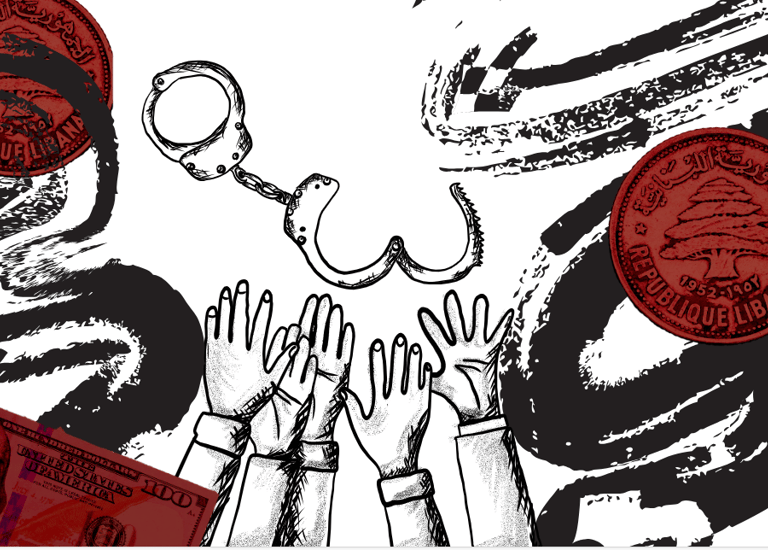
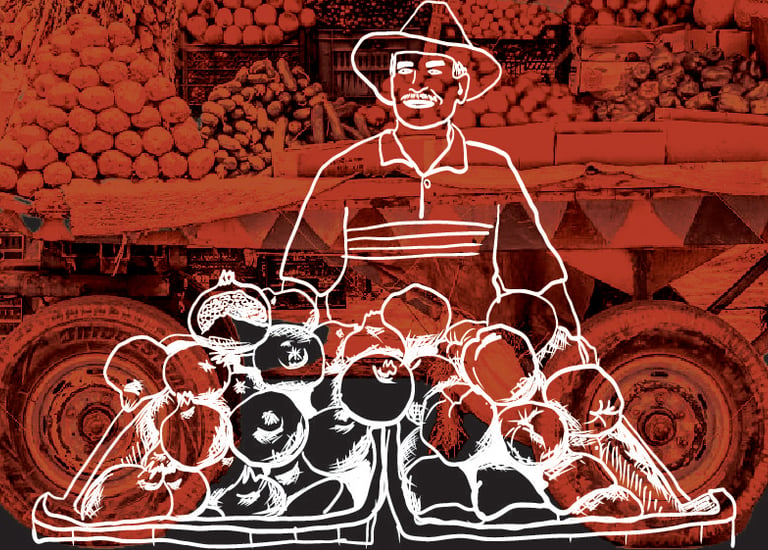
Chapter I: Tax Evasion and Fiscal Discrepancies
Chapter II: The Unregistered Businesses Crisis
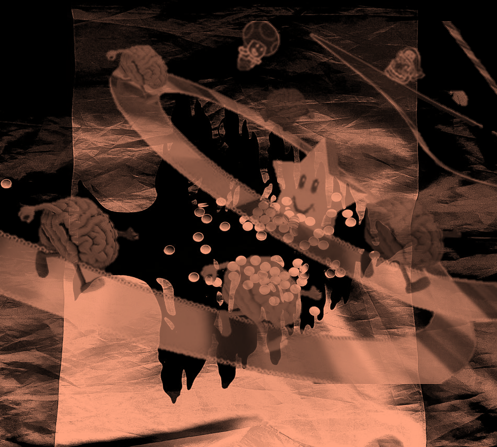
Chapter III: The Lebanese Narco Trade and the Era of Hash
Chapter IV: The Adult Entertainment Market and the OnlyFans Crisis